MMORPG or MMO? What’s the difference and which one fits you
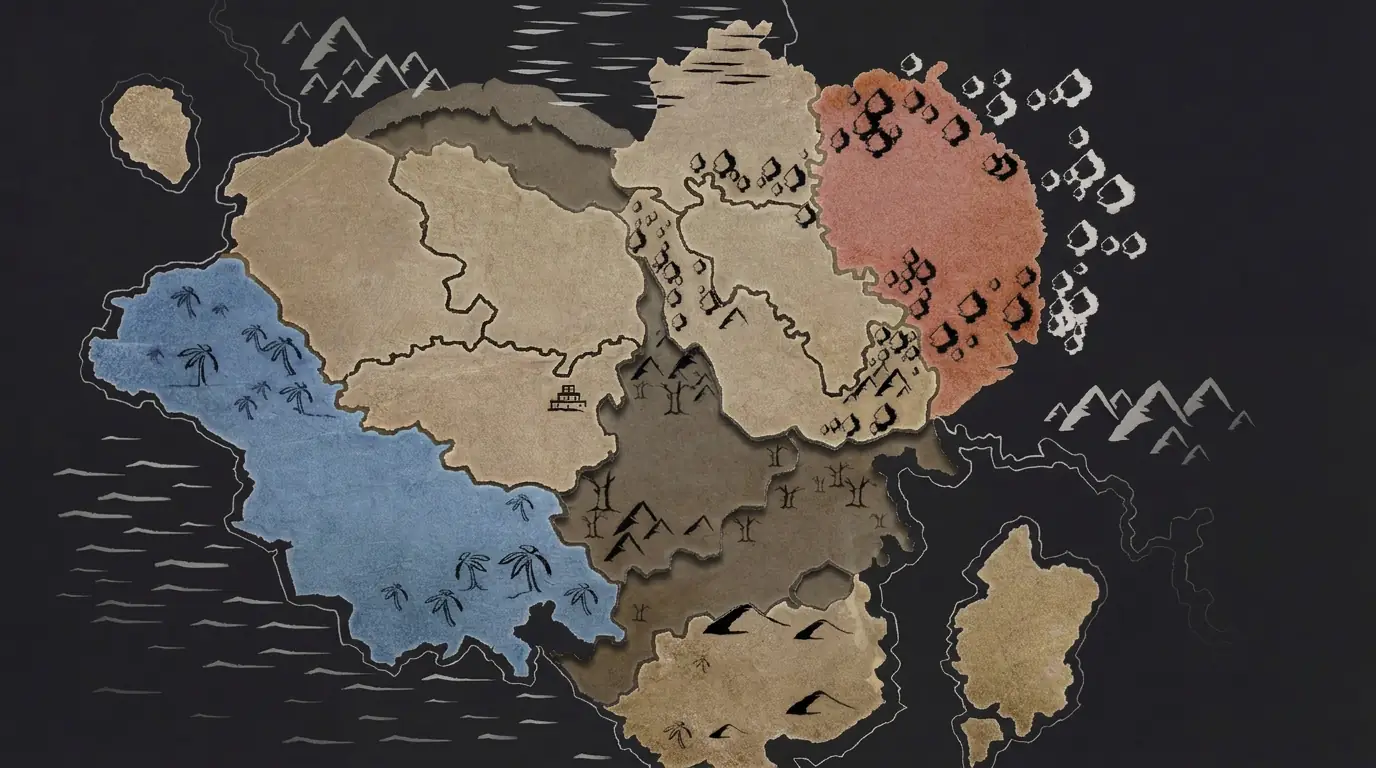
MMO stands for massively multiplayer online: it means any online game where hundreds or even thousands of players are present in the same world at once. MMORPG is a role-playing subgenre of this, featuring character progression, leveling up, gear, and a persistent world. Every MMORPG is an MMO, but not every MMO is a role-playing game.
A lot of people use the two abbreviations interchangeably, but there’s a real difference: different gameplay, different time commitment, and a different community experience. Let’s see what separates the two, what the most common genre terms mean, and which style suits you best.
| MMO | MMORPG | |
|---|---|---|
| What does it mean? | A catch-all term for any massively online game | The RPG-focused branch of MMO |
| Focus | Shared world, any genre | Character progression, levels, gear |
| Typical example | Shooter, strategy, sandbox | Fantasy RPG, like NextWorld2 |
| Time commitment | Often match-based, good for short sessions too | Long-term progression |
What does MMO mean?
MMO stands for massively multiplayer online, which basically means: a game with a ton of players online at once. The main thing is the scale. It’s not about 4-5 player matches, but a shared space where loads of players move, trade, fight, or team up together. So MMO isn’t a genre, it’s a framework that can include lots of different game types.
Here are a few examples of how diverse this category can be:
- Shooters: in big team-based shooters, hundreds of players can battle on the same battlefield.
- Strategy games: browser-based empire builders run in a shared, always-on world where your neighbor is a real player.
- Sandbox games: in some open-world online games, the economy and politics are shaped by the players.
- Vehicle action games: massive battle games involve thousands of players, even if each fight is between smaller teams.
What they all have in common: a persistent online world and a massive multiplayer experience. What they don’t always have: RPG elements like leveling up, character building, and collecting gear. That’s the territory of MMORPGs.
What does MMORPG mean?
MMORPG stands for massively multiplayer online role-playing game. Here, you’re not just present in a shared world: you build a character over the long term. You level up, learn new skills, collect better gear, and your character stays even when you log out.
Another trademark is the persistent, living world. The big international games in this genre are all about this: the world evolves with the players, communities form, there’s an economy, and there’s always a new goal to come back for.
NextWorld2 is this kind of game too: a free, unique Hungarian-developed fantasy MMORPG where you explore the world of Kigan, choose from four classes (Warrior, Ninja, Shaman, Ezra), and adventure under the banner of one of three realms. It has all the core features of the genre: leveling up, gear, clans, pets, mounts, and non-stop Events.
What terms will you run into in an MMORPG?
If you’re new to the genre, these are the terms you’ll see most often. The definitions are general and apply to almost any MMO or MMORPG, but where it makes sense, we’ll show a NextWorld2 example too.
PvP
Player versus player, or PvP for short, means fighting against other players instead of computer-controlled monsters. This covers everything from duels to massive battles. In NextWorld2, the natural setting for this is the rivalry between the three realms: Selakim, Quila, and Rusus. You can read more about their background in the realm guide.
PvE
Short for player versus environment: here, you’re fighting against the environment, meaning computer-controlled enemies. Quests, monster hunting, bosses - that’s all PvE. In most MMORPGs, this is the backbone of progression, and as a new player, this is what you’ll see first.
Dungeon
A closed area, usually designed for a team, with its own enemies and a boss at the end. Dungeons are one of the main sources of better gear and the first real test of how well you work together with your teammates.
Raid
The bigger sibling of a dungeon: longer, harder, and needs more players to complete. Raids are some of the toughest challenges in the genre, usually for high-level players, and require serious teamwork and coordination.
Guild, or clan
A lasting community of players with a shared name and goals; depending on the game, these are called guilds, companies, or clans. In NextWorld2, there's a clan system: players team up to grow stronger together, survive, and make a name for themselves.
Farm and grind
Farming is targeted repetition: doing the same activity over and over for resources, items, or experience points. Grinding is the longer, more persistent version of this. It’s not a punishment - a lot of players love this slow, steady progression.
Endgame
All the content that waits for you after you hit max level: harder dungeons, raids, PvP, chasing rare gear. In a good MMORPG, leveling is just the warm-up - the real long-term game starts in the endgame.
Buff and debuff
A buff is a temporary boost on your character, like more damage or faster movement; a debuff is the opposite, a weakening effect on your enemy. Support-type classes, like the magical support Shaman in NextWorld2, typically help their team with these kinds of effects.
Mount, or mount
A creature or vehicle you can ride to move faster in the game world; for many players, collecting rare mounts is a real passion, since a rare mount is a true status symbol. NextWorld2 also has a mount and pet system-check out the pet guide for more details.
Pet, or pet
A pet that walks alongside your character and gives you bonuses. In NextWorld2, pets can be upgraded, and you get a Baby Pegasus right after reaching level one. Upgrading and keeping this pet is totally free.
Free-to-play
Free-to-play business model: downloading and the base game cost nothing, and revenue comes from optional purchases. NextWorld2 works the same way: registration, downloading, and all core content are free.
Pay-to-win
This is the model where you can buy advantages with real money that you can't get through gameplay, or only with a lot of effort. This is the main dividing line for free-to-play games. NextWorld2's philosophy is deliberately not pay-to-win: the premium currency, Karzium, can also be earned in-game by farming and trading, for example in the Trading House.
Which suits you: MMO or MMORPG?
There's no single right answer, it's all about your taste and how much time you have. Here are two quick rules of thumb:
- Pick a regular MMO if you want fast, match-based gameplay, just want to hop in for half an hour a day, and don't care about long-term character building.
- Pick an MMORPG if you like building up over time, enjoy leveling and hunting for gear, and want to play as part of a living world community.
If you fit into the second group and want a Hungarian-language experience, NextWorld2 is an obvious place to start: there's no subscription, it runs on weaker PCs, and the Hungarian community will answer your first questions in your native language.
What next if you want to jump in?
If you know the basics, the next step is picking a game. Before you start a new one, check out our guide to the pitfalls of free MMO games: it shows you how to spot hidden costs in time.
If you want to start right away with a Hungarian-developed game, read our detailed guide on what a free fantasy MMORPG in Hungarian is like today: you'll find out what NextWorld2 offers, how to get started, and what to expect in your first hours.